
A proactive approach to discipline leads to a 57% decline in suspension rates at Monticello High School
When Jennifer Gorr became principal of Monticello High School in 2024, she began her new role by collecting information from staff, families and students about what was working well at the high school, and where improvements needed to be made. One concern came up repeatedly in these conversations: discipline.
As a result of these conversations, Ms. Gorr, began a comprehensive evaluation of discipline practices, behavioral data and community feedback to prioritize getting to the bottom of these concerns and improving outcomes.
Two years later, the out-of-school suspension referrals have decreased 57%, from 135 to 58. Referrals for Superintendent’s Hearings decreased 41.7% from 24 to 14, while in-school suspension (ISS) referrals declined 20.1% from 452 to 361.
The Code of Conduct and discipline matrix remains the same. The same behaviors mete the same consequences as they have in the past. But, with a focus on a proactive, rather than a reactive approach, conflicts are being addressed before they escalate, and fewer incidents are reaching the point where exclusionary discipline is necessary. The result is not a school that has become less accountable, but one where fewer incidents are escalating to the point that serious disciplinary consequences are necessary.
Relationships at the Root
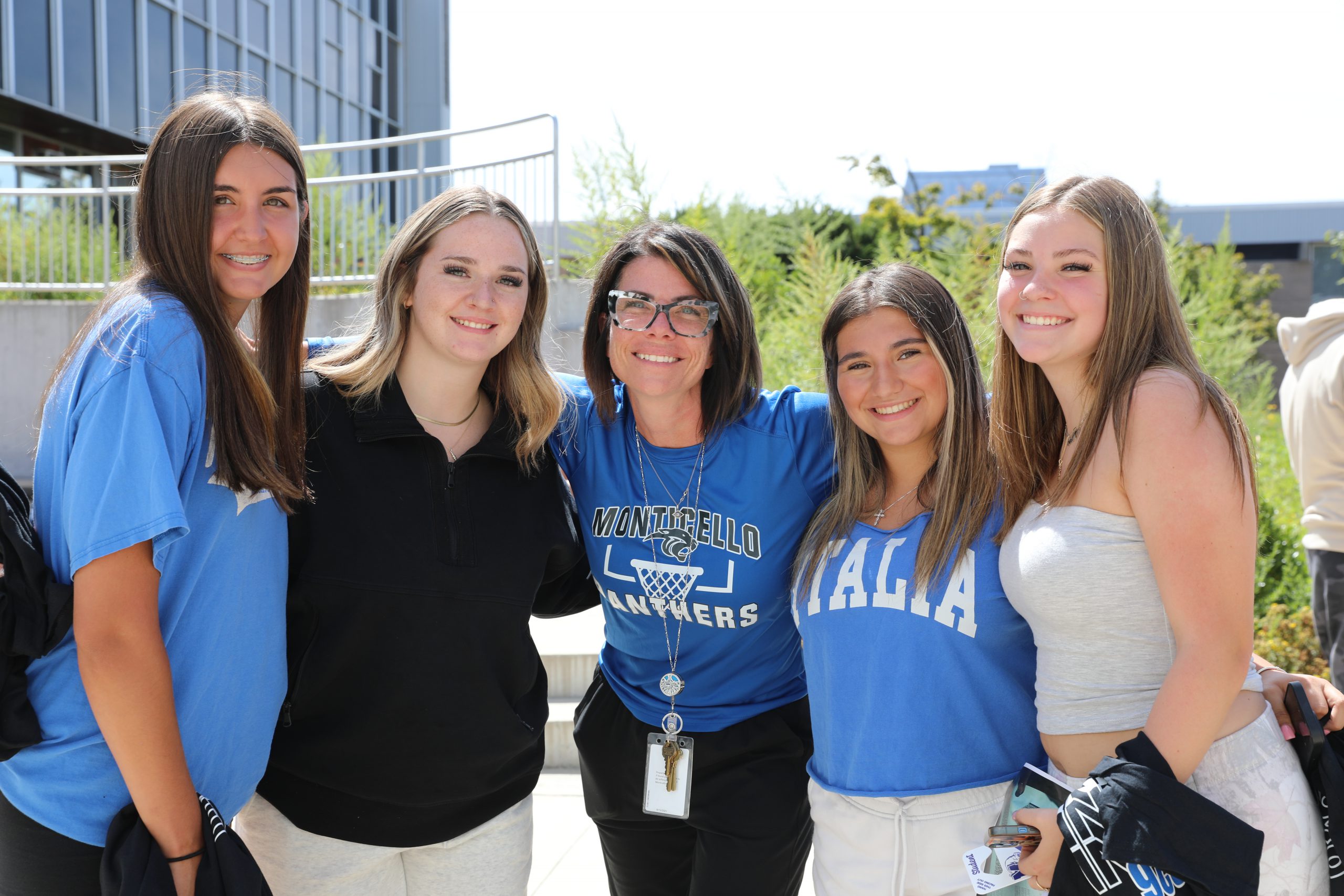
The foundation of Ms. Gorr’s approach is rooted in relationships and transparent, open communication across the board. Each morning, the building’s administrative team is at the doors of the school greeting students as they arrive. That visibility extends throughout the school day. Administrators and the school safety team are present in hallways and common areas, especially during transition times and lunch. Not only does this enable better student supervision, but it also allows front-line staff to know students well enough to notice when something seems wrong.
“I see the potential in every one of the students and in every conversation I have with them, I try to show them their potential,” Ms. Gorr said. “We’re constantly checking in with them. When they feel important and valued, they respond in a positive way.”
Establishing those relationships has helped students become more comfortable with bringing in faculty and staff before situations escalate into a disciplinary incident. According to Ms. Gorr, students are increasingly approaching administrators when they believe a conflict may be developing. They may ask for a mediation, request help navigating a challenge with a peer, or advocating for their needs in class, or simply just alert administrators to a potential conflict brewing outside of school.
Data-based systems change
The school has used historical data to make operations changes designed to increase accountability and reduce opportunities for problems to develop.
For example, disciplinary data showed a disproportionate amount of referrals originating from behaviors in the hallways in between class, the bathrooms, and the lunchroom. So, administrators and safety staff now maintain a visible presence in these areas. Attendance procedures have been strengthened so that staff can quickly identify when students are not where they are expected to be. Electronic hall passes help staff monitor student movement, and additional ID-scanning technology is being implemented to improve accountability during the school day.
The school’s safety team, counselors, pupil personal services staff, teachers and administrators operate as a cohesive team, regularly sharing information amongst each other when they know that a student may need additional support. That collaboration matters, Ms. Gorr said, because a student struggling with circumstances outside of school may need a different approach from a student who is knowingly disregarding an expectation. Staff remains focused on accountability, but also focused on understanding the “why” driving the behavior.
A team approach
Another part of the work has taken place within the classrooms. At the beginning of the school year, teachers receive professional development on establishing clear behavioral expectations, communicating with students and families when problems first emerge, and using restorative practices to help students understand the micro and macro impacts of their behavior.
For example, a student repeatedly arriving late isn’t simply breaking a rule. They’re missing instruction, falling behind their classmates, and interrupting instruction each time a teacher must stop to address the late arrival. Helping students understand that ripple effect helps turn discipline into a conversation about responsibility, rather than punishment.
“Far too often, discipline becomes punitive, when it should be educational,” Ms. Gorr said.
“We’re not more lenient, we’re more consistent”
A more proactive approach to discipline has not meant lowering expectations or eliminating consequences; it has meant making the response more consistent and immediate. As part of Ms. Gorr’s initial conversations with staff, one concern she heard often was that disciplinary referrals could take too long to resolve. Consequences delivered weeks after an incident did little to help a student meaningfully connect the consequence to the behavior.
Today, administrators are typically able to address referrals within a day, and communicate the outcome back to the student and teacher. Administrators also meet daily to discuss student concerns and prepare for potential issues. The team reviews referral, suspension, and attendance data regularly to identify trends and determine where practices might need improvement.
The focus has moved to make expectations, and the response when those expectations aren’t met, much more predictable.
Progress, not perfection
Ms. Gorr is careful not to suggest that disciplinary incidents have totally disappeared from Monticello High School.
“In a perfect world, I’d love to have zero referrals, but we have to allow kids to make mistakes and learn from them,” she said.
She believes the biggest change has been how students respond to those mistakes, and what happens before they occur. She said families regularly tell administrators that they feel heard when they raise concerns, while staff and visitors share a change in the culture of the school. For her, those observations and the discipline data tell different parts of the same story.
“I always tell students that every day is a new day,” she said. “We can’t hold them back because of one bad decision. We have to help them to grow.”
That doesn’t mean lowering expectations – it means making those expectations clear, responding consistently when they aren’t met, and building relationships strong enough that students will seek help before a problem becomes a crisis.
“When students know you care about them, they respond,” she said.