
Reef explained that when she visits Israel, she enjoys walking along the Beach of Caesarea, where ancient Roman ruins sit directly beside the sea. She shared photos of a submerged ancient city just off the coast, as well as 2,000-year-old Roman mosaic tile floors and other historic structures that can still be visited today.
Students had the opportunity to examine several artifacts Reef collected while combing the beach, including Roman mosaic tiles estimated to be 2,000 years old and pottery handles that may be even older.
Reef also shared photos of Israel’s mountains and desert regions, explaining how innovative agricultural practices have transformed arid landscapes into productive farmland that grows fruits and vegetables.
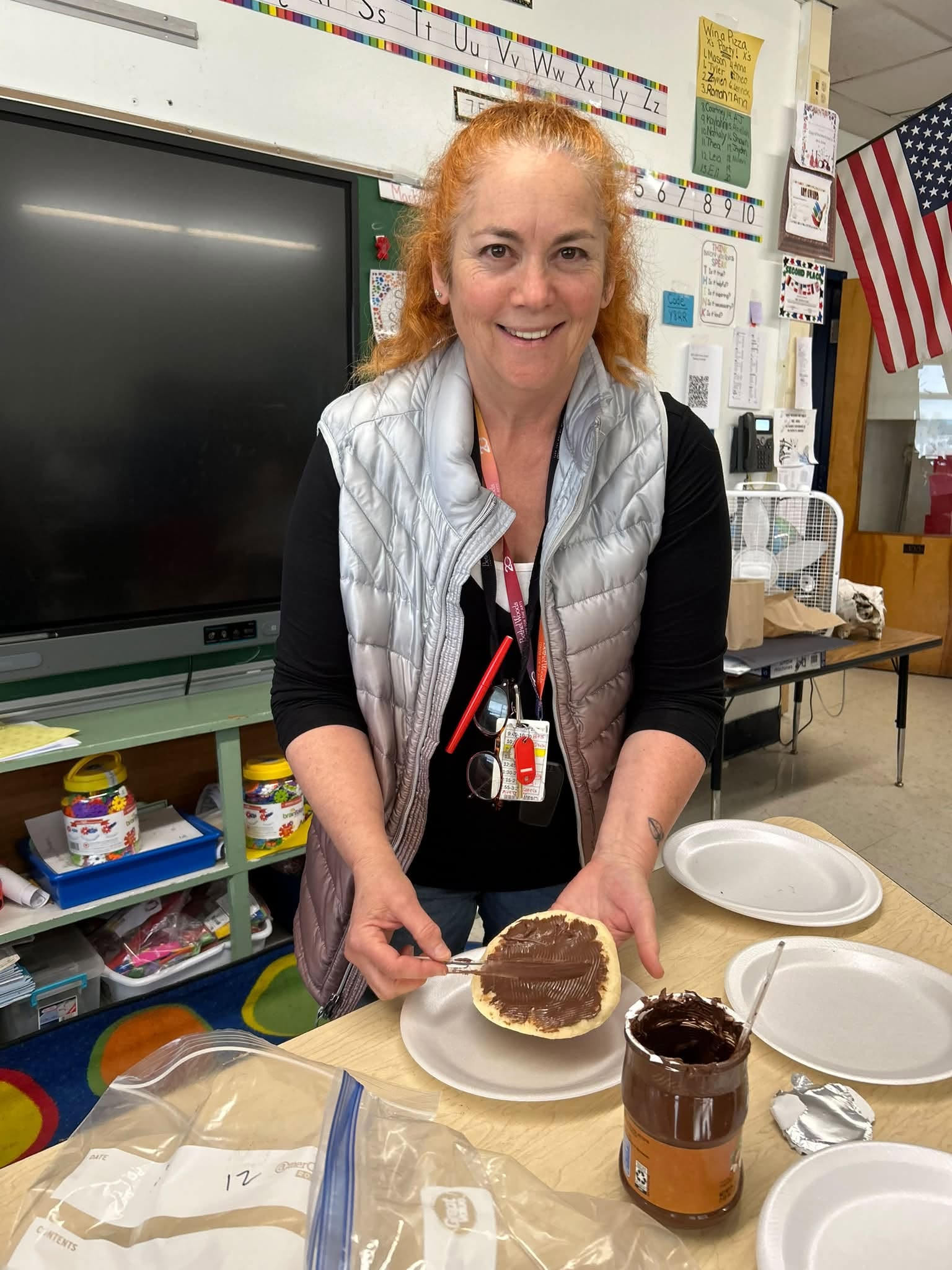
The students learned about Israeli cuisine and some of the country’s most popular foods, including hummus and pita bread. Reef explained a common Israeli expression that refers to using pita bread to scoop hummus from a plate. She then treated students to homemade pita bread, giving them a chance to sample a taste of Israel.
Using her own photographs, Reef introduced students to the Dead Sea, explaining that its high salt content allows people to float effortlessly on the water. She discussed the sea’s reputation for healing properties and shared concerns about its shrinking water levels due to limited rainfall and the commercial use of its mineral-rich waters.
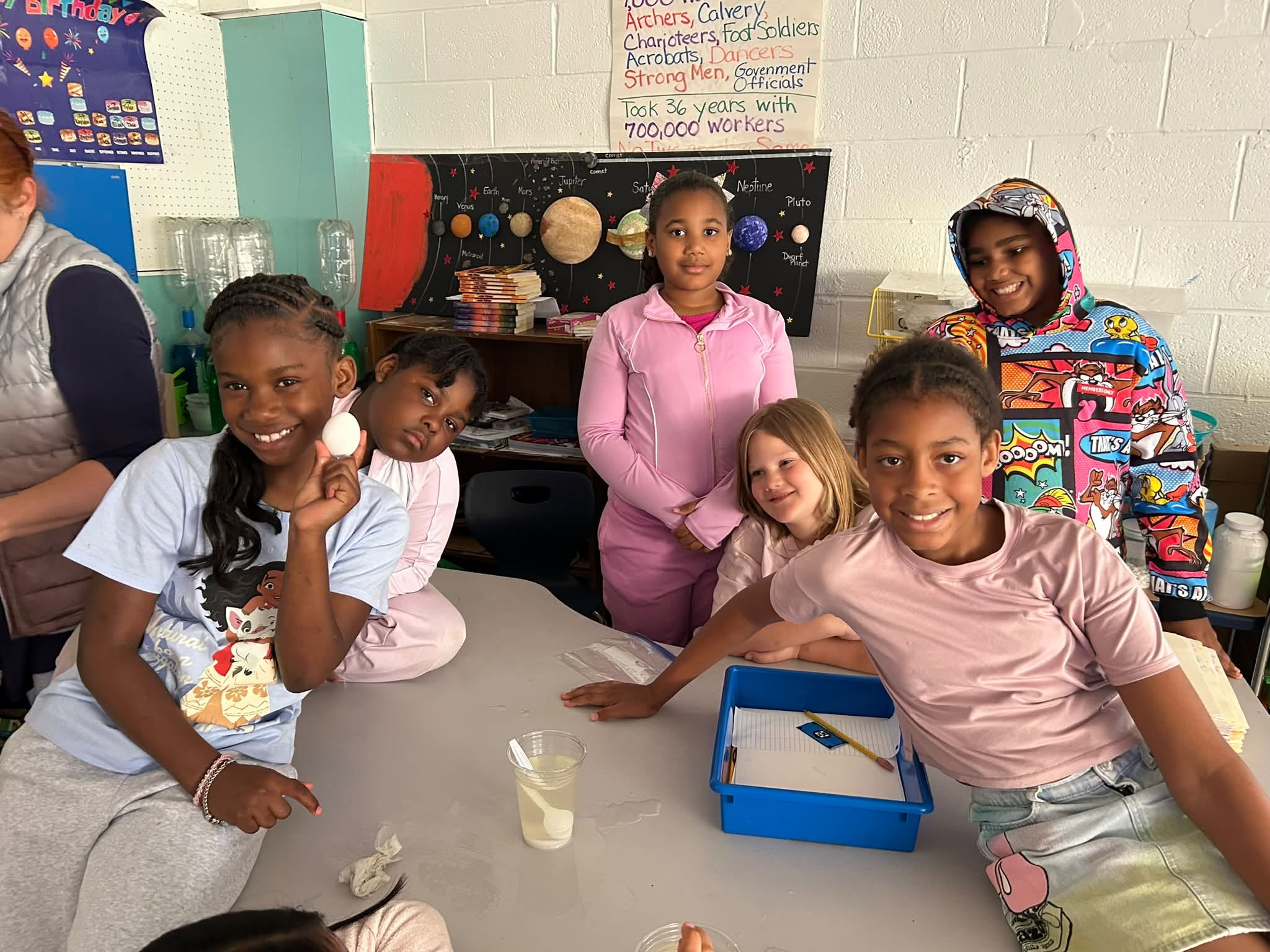
To conclude the visit, students conducted an experiment inspired by the Dead Sea. Each group placed a raw egg in a cup of water and observed it sink. After adding enough salt to create a highly concentrated saltwater solution, they watched the egg float, demonstrating the same principle that allows people to float in the Dead Sea.
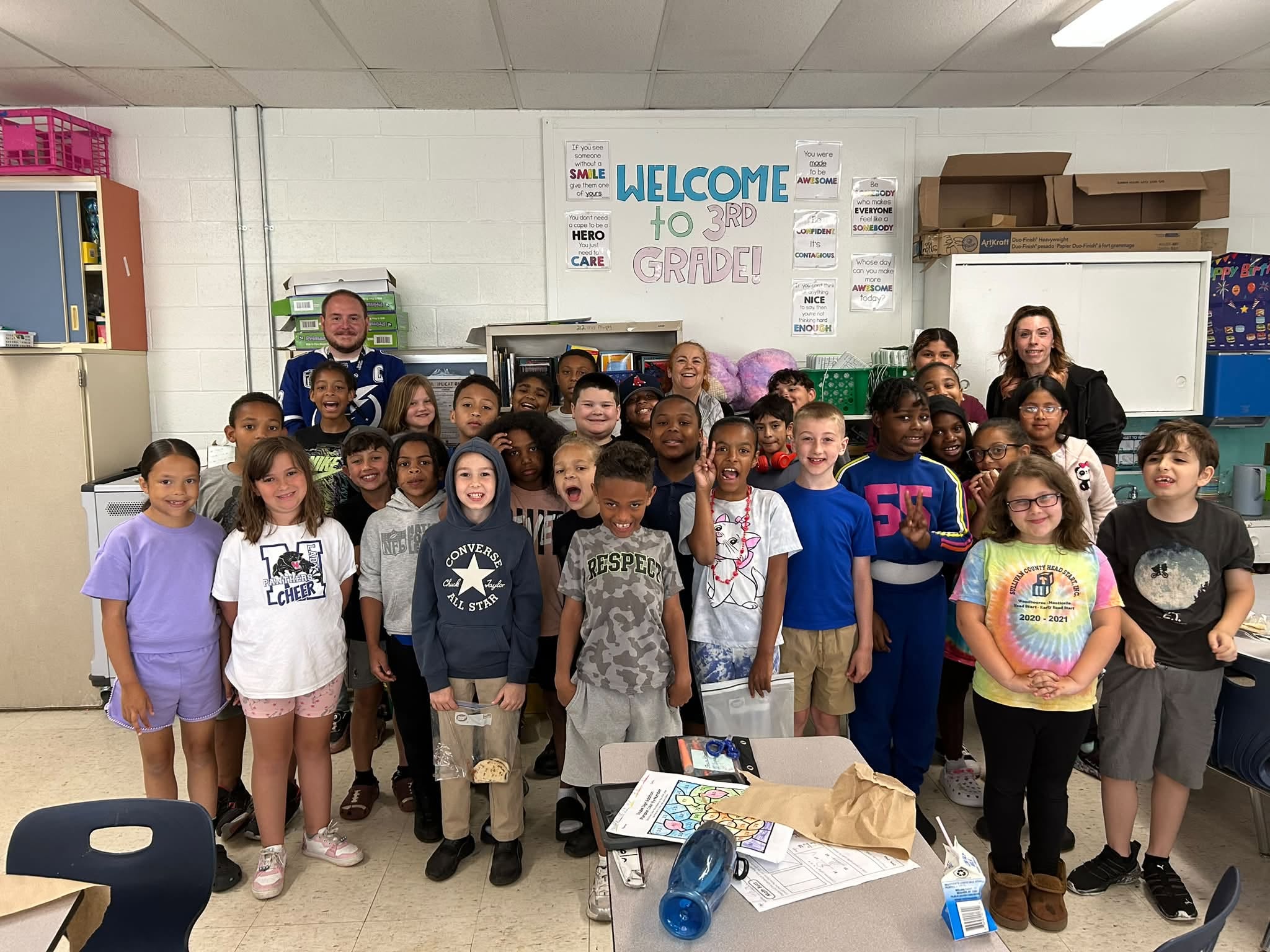
The experience provided students with a unique opportunity to explore the geography, culture, history, and natural wonders of Israel while examining authentic artifacts and learning from Reef’s firsthand experiences.